


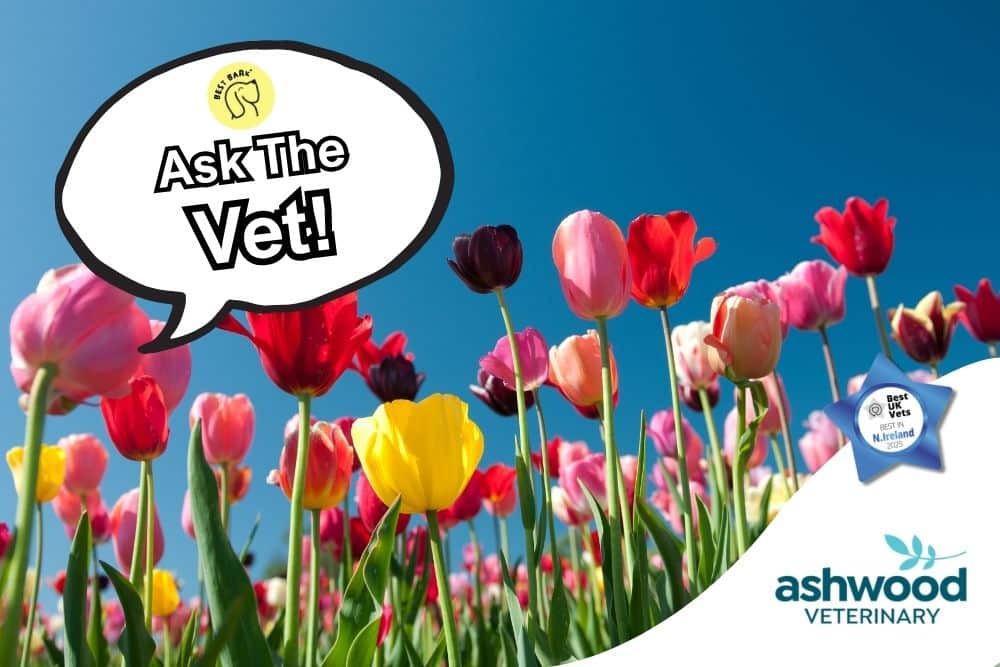
Spring has properly arrived in Northern Ireland. The weather is finally picking up, the days are longer, the gardens are coming back to life, and most dogs are making the most of it by getting their noses into absolutely everything!
It is also the time of year when we start to see a steady stream of calls along the lines of:
“I think my dog has eaten something in the garden…”
At Ashwood Vets, this is one of the most common seasonal issues we deal with. The majority of cases are mild, but every year we do see a small number that are more serious.
A bit of awareness goes a long way.
Daffodils (Narcissus): The most common culprit
Daffodils are everywhere at this time of year, and they are by far the most common plant-related issue we see in dogs.
The problem is usually the bulb rather than the flower. Dogs dig them up out of curiosity, especially when the soil has recently been turned.
Typical signs include vomiting, drooling, and lethargy. In most cases, dogs recover well, but larger ingestions can cause more significant illness.
If your dog is a keen digger, daffodil beds are worth keeping an eye on.
Tulips and hyacinths: Very similar story
Tulips and hyacinths come with a similar risk profile.
Again, it is the bulb that causes the issue. Most dogs will develop stomach upset, sometimes with salivation and reduced appetite.
These are the sort of cases we regularly manage, and they are usually straightforward, but they are very preventable.
Rhododendron and azalea: One to take seriously
These are extremely common across Northern Ireland, both in gardens and in public spaces, and they are more concerning from a veterinary point of view.
Even small amounts can cause vomiting, weakness, and reduced appetite. Larger exposures can lead to more serious effects.
If there is any suspicion your dog has eaten rhododendron or azalea, it is always worth getting advice early rather than waiting to see what happens.
Bluebells: Less dramatic, but still worth knowing about
Bluebells are a big part of spring walks here, especially in woodland areas.
In dogs, they tend to cause mild stomach upset if eaten. The bulb carries more risk than the flower, but overall, serious cases are uncommon.
That said, I would still discourage dogs from grazing on plants while out on walks. It is a habit that can lead to problems elsewhere.
Other plants such as lily of the valley, foxglove, and yew are also worth being aware of, although they are less commonly encountered in day-to-day cases.
The bigger concern I see every spring
While plants get a lot of attention, the cases that worry me most each year are not flowers at all.
Slug and snail pellets remain one of the most dangerous things dogs come across in gardens.
Depending on the product, especially older metaldehyde-based pellets, dogs can become very unwell very quickly, with tremors, seizures, and rapid deterioration.
This is always treated as an emergency. If there is any chance your dog has had access to slug pellets, do not wait for symptoms to develop. Contact your vet straight away.
What to do if your dog eats something they shouldn’t
First of all, do not panic. Most of the cases we see are manageable, especially when dealt with early.
A few simple steps can make a big difference:
- Move your dog away from the area and prevent further access
- Try to identify what has been eaten. A quick photo on your phone can be very helpful
- Keep an eye out for early signs such as vomiting, drooling, lethargy, or reduced appetite
- If you are unsure, it is always worth giving your vet a call
If your dog develops more serious signs such as tremors, weakness, collapse, or repeated vomiting, that should be treated as urgent.
A final word
Most dogs will investigate anything new in the garden, especially freshly disturbed soil or new plants. That curiosity is exactly why we see these cases every spring.
The majority of plant exposures we deal with at Ashwood Vets this time of year are mild, but the occasional more serious case is a reminder that it is worth knowing what is in your garden and what your dog has access to.
Enjoy the spring, make the most of the longer days, and let your dog enjoy it too.
Just keep half an eye on where that nose is going!
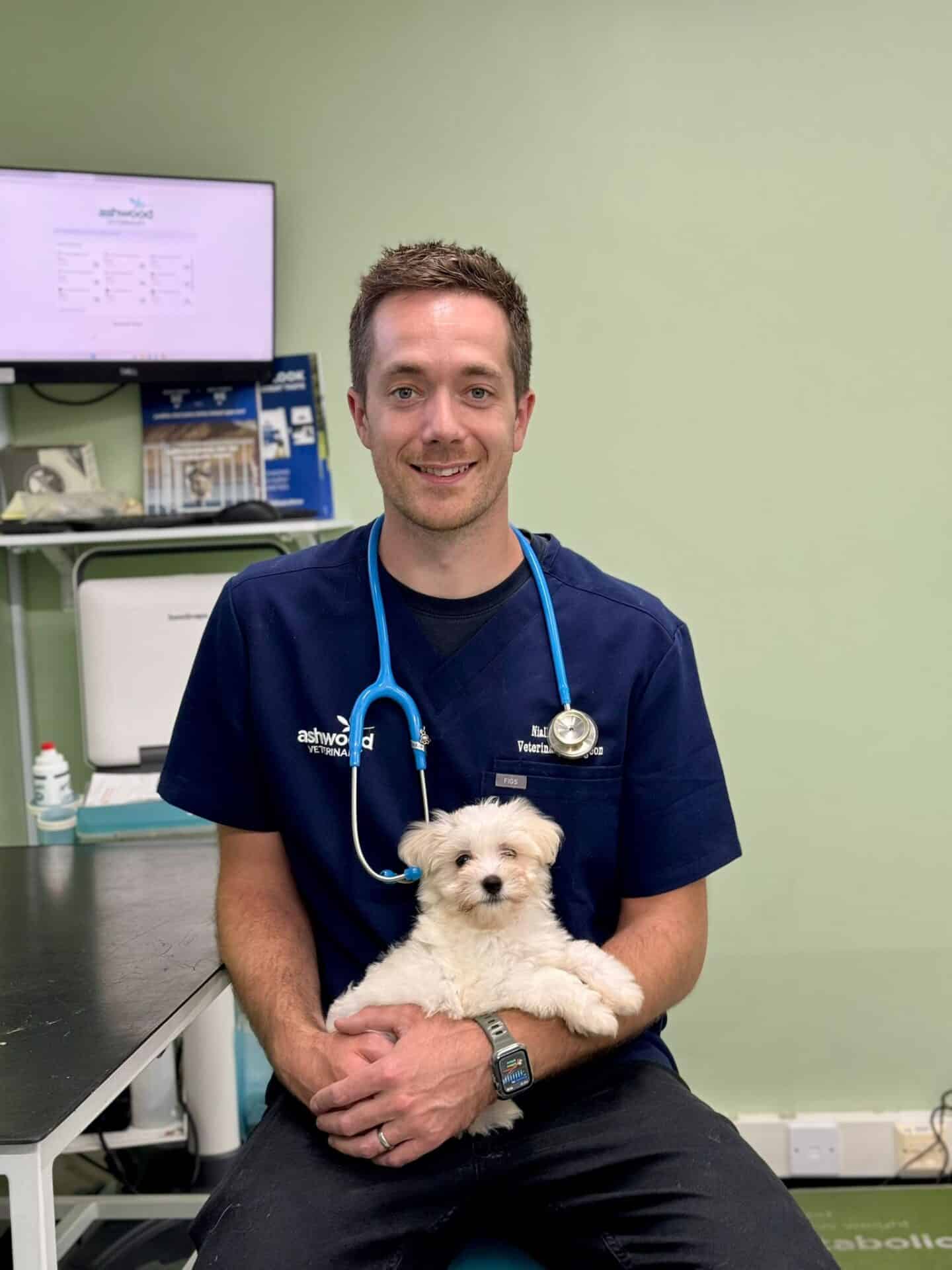
Niall is Best Bark’s Resident Vet & Dog Safety Expert and a veterinary surgeon at Ashwood Vets. He holds the RCVS Certificate in Advanced Veterinary Practice in Small Animal Surgery and is passionate about helping owners keep their dogs safe and healthy.
Credentials: MVB CertAVP(GSAS) PGCertVPS MRCVS