


Dog dental disease is one of the most common health problems in dogs, and one of the easiest to miss.
Many of us are surprised when a vet raises concerns about a dog’s teeth, especially when they are still eating well and behaving normally. But dog dental disease often develops quietly, and dogs are experts at hiding discomfort. By the time pain becomes obvious, there is usually already significant disease below the gum line.
Dental Health Month is a good opportunity to explain why dental problems in dogs are so common, how to spot early warning signs, and what really helps keep dog teeth healthy in the long term.
Why dog dental disease is so common in dogs
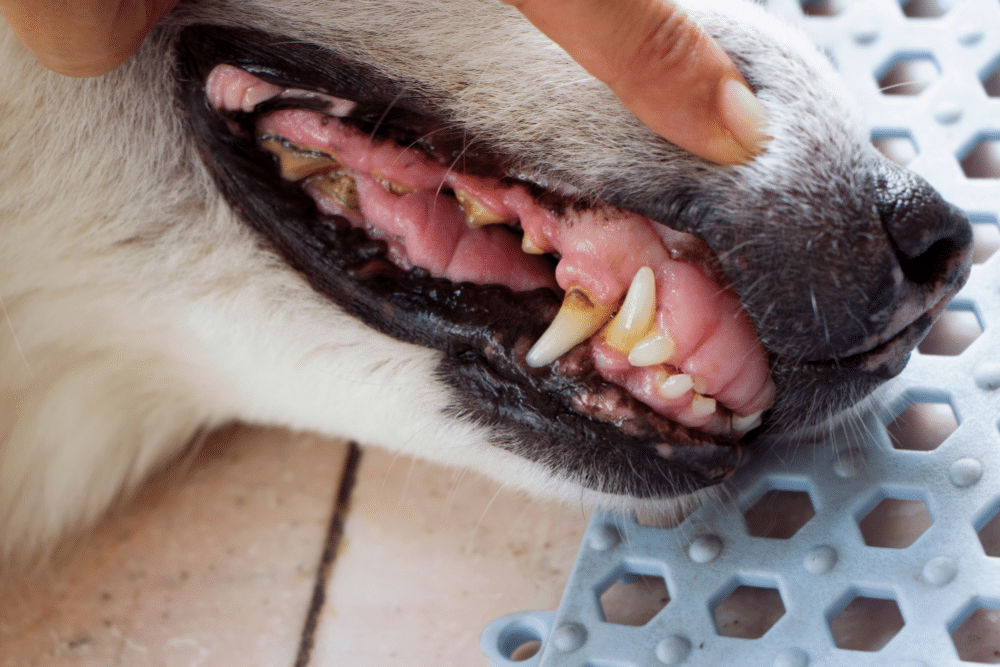
Plaque starts to build up on a dog’s teeth soon after eating. If it isn’t removed, it hardens into tartar, which irritates the gums and leads to inflammation and infection. Over time, this damages the tissues that hold the teeth in place.
Dogs rarely show obvious signs of dental pain. Instead of crying out, they adapt. They may chew more slowly, swallow food whole, or avoid certain toys. As pet owners, we often assume these changes are due to ageing or fussiness, rather than dental pain.
Another reason dog dental disease goes unnoticed is that much of the damage happens below the gum line. Teeth can look fairly normal on the surface, while serious problems are developing underneath.
Early signs of dental problems in dogs
Dog dental disease usually gives subtle warning signs before it becomes severe. Common early symptoms include:
- Bad breath (this is not normal, even in older dogs)
- Red, swollen, or bleeding gums
- Visible tartar on the teeth
- Chewing on one side or dropping food
- Reduced appetite or slow eating
- Less interest in toys or chews
- Behaviour changes such as irritability or lethargy
Catching these signs early can prevent pain and reduce the need for more invasive treatment later.
How poor dental health affects the rest of the body
Dog dental disease doesn’t just affect a dog’s mouth.
Inflamed or infected gums allow bacteria to enter the bloodstream. Over time, this can place extra strain on organs such as the heart, liver, and kidneys. While dental disease is not the sole cause of problems in these organs, it can contribute, particularly in older dogs or those with existing health conditions.
Chronic mouth pain also affects their quality of life. Dogs with sore mouths may become quieter, less playful, and less engaged with their family.
Dog dental care myths
There are many beliefs around keeping dogs’ teeth clean, and some are more helpful than others.
One common myth is that dogs’ teeth simply become stained with age. In reality, dogs don’t usually get true tooth staining. What you are seeing is almost always plaque and tartar sitting on the surface of the tooth. Underneath, the tooth itself is often pearly white once that build-up is removed. Unlike people, dogs (generally!) don’t drink tea or coffee, so permanent staining isn’t typical.
Another common assumption is that feeding dry food or giving plenty of chews will “take care of the teeth”. While these can help a little, they don’t replace brushing and won’t prevent dental disease on their own. Even dogs who eat mostly dry food and love to chew can still develop significant plaque and tartar.
Brushing your dog’s teeth: realistic expectations
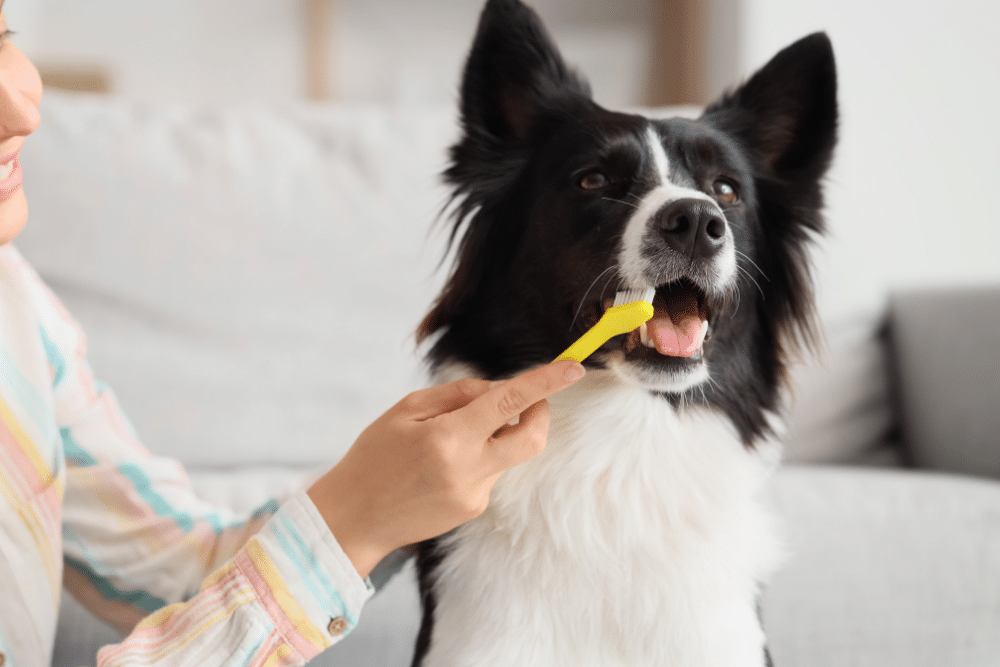
Brushing is the most effective way to prevent dog dental disease in dogs, but it’s also one of the hardest habits to stick to.
I say this as a vet and as a dog owner. My own dog, Penny, is a 10-year-old small terrier. She eats mostly dry food, loves a good chew, and daily tooth brushing is something I aim for rather than always achieve.
Daily brushing is ideal, but even brushing a few times a week is far better than none. Consistency matters more than perfection.
If brushing is a struggle:
- Keep sessions short
- Use dog-specific toothpaste only
- Focus on the outer surfaces of the teeth
- Aim for “some brushing” rather than giving up entirely
If brushing really isn’t possible, your vet can help you choose supportive alternatives, but brushing remains the gold standard where it can be achieved.
When dogs need professional dental treatment
Home care can’t always prevent dental disease, especially once it is established.
A professional dental scale and polish allows plaque and tartar to be removed above and below the gum line, and lets the vet assess each tooth properly. This must be done under general anaesthetic so it can be thorough, pain-free, and safe.
Anaesthetic risk is a common worry for most pet owners. In reality, delaying dental treatment often increases risk rather than reducing it. Ongoing infection and inflammation place constant stress on the body. Modern anaesthesia, tailored to each dog and carefully monitored, is very safe for most patients.
Which dogs are most at risk of dental disease
Some dogs are more prone to dental problems, including:
- Small breed dogs with crowded teeth
- Older dogs, as dental disease worsens over time
However, any dog can develop dental disease.
Three simple ways to improve your dog’s dental health
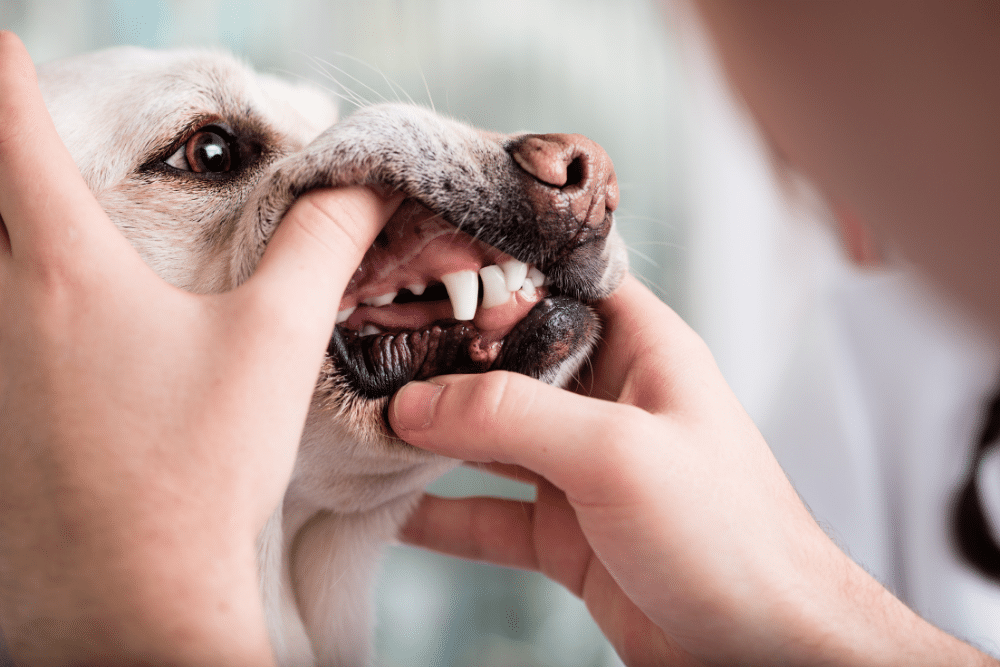
- Check your dog’s teeth and gums regularly and watch for changes.
- Brush when you can, even a few times a week makes a difference.
- Speak to your vet early if you notice signs of dental disease.
Dental disease in dogs is common, but it is not inevitable. Small steps taken early can prevent pain, improve quality of life, and protect your dog’s long-term health.
A final thought
As a vet, I see the effects of dental disease every day. But as a dog owner, I also know how real life works. My own dog, Penny, does her best to dodge the toothbrush when she can.
This isn’t about doing everything perfectly. It’s about awareness. If this blog encourages you to lift your dog’s lip a little more often, try brushing a bit more than you used to, or have an earlier chat with your vet, then it’s done exactly what it’s meant to do.
Small, realistic changes really do add up when it comes to dental health, and your dog will feel the difference.
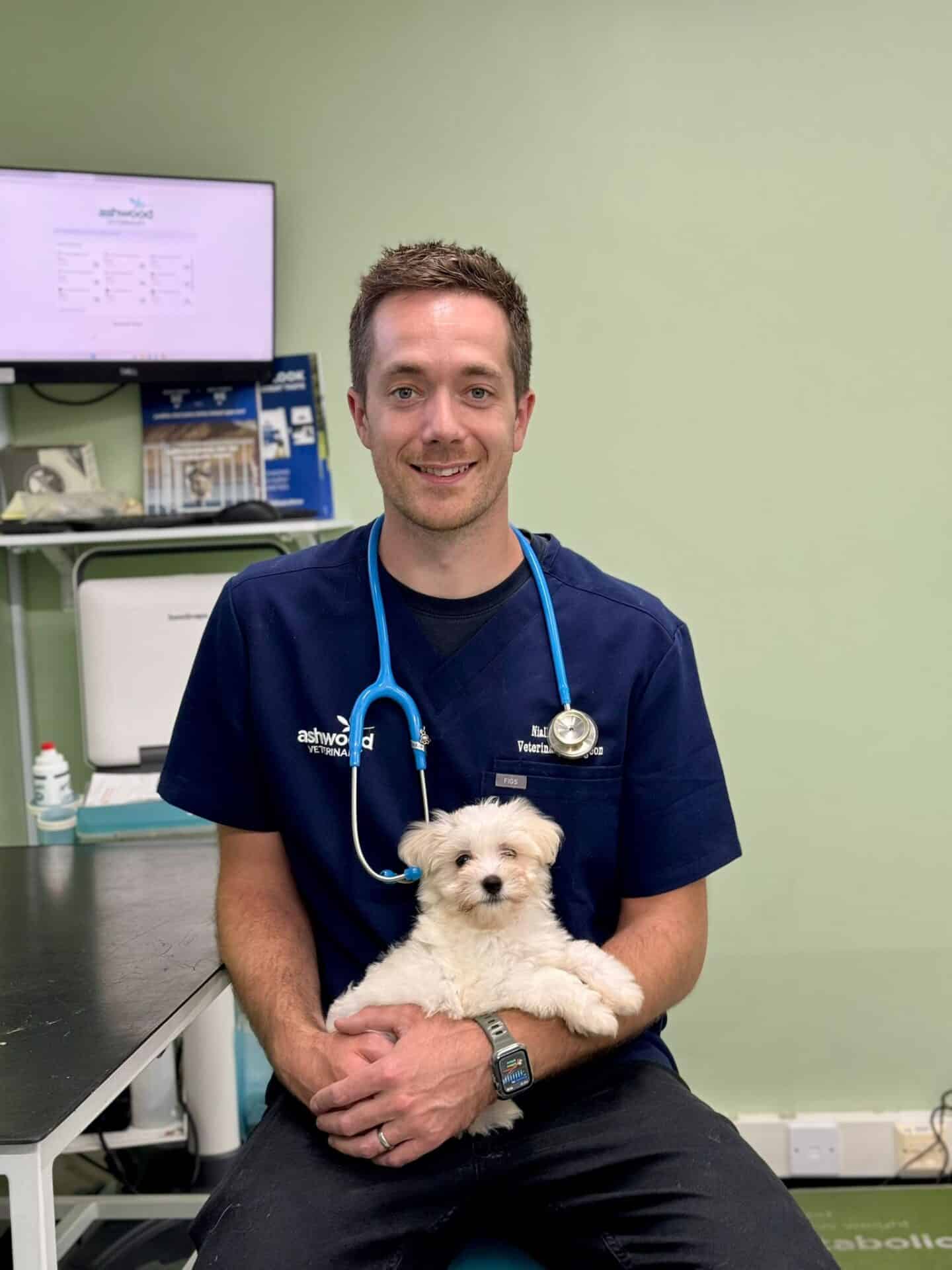
Niall is Best Bark’s Resident Vet & Dog Safety Expert and a veterinary surgeon at Ashwood Vets. He holds the RCVS Certificate in Advanced Veterinary Practice in Small Animal Surgery and is passionate about helping owners keep their dogs safe and healthy.
Credentials: MVB CertAVP(GSAS) PGCertVPS MRCVS