


By Dr Niall Thompson, MVB CertAVP(GSAS) PGCertVPS MRCVS
Veterinary Surgeon at Ashwood Vets and Best Bark’s Resident Vet & Dog Safety Expert
For many dog owners, fireworks season is a stressful time of year. While some dogs barely react to the noise, others become frightened by the sudden bangs, flashing lights and vibrations.
If your dog hides under the sofa, shakes, barks excessively or refuses to go outside when fireworks are going off, they may be experiencing genuine fear or anxiety.
Understanding how your dog responds is an important first step. With the right preparation, you can reduce their exposure to frightening situations and help them feel safer.
Here are 10 practical steps to help your dog cope with fireworks, along with advice on when veterinary support might be needed.
Why are dogs frightened of fireworks?
Fireworks are particularly difficult for some dogs because the noise is loud and unpredictable.
Dogs cannot understand where the sounds are coming from or when they will stop. Some may react to the flashing lights or vibrations as well as the noise itself.
Over time, repeated frightening experiences can cause some dogs to become increasingly sensitive to fireworks and other loud sounds.
Fear is an involuntary emotional response. A dog that is trembling, hiding or desperately trying to escape is not being difficult or disobedient. They are frightened and need appropriate support.
How to recognise fireworks anxiety in dogs
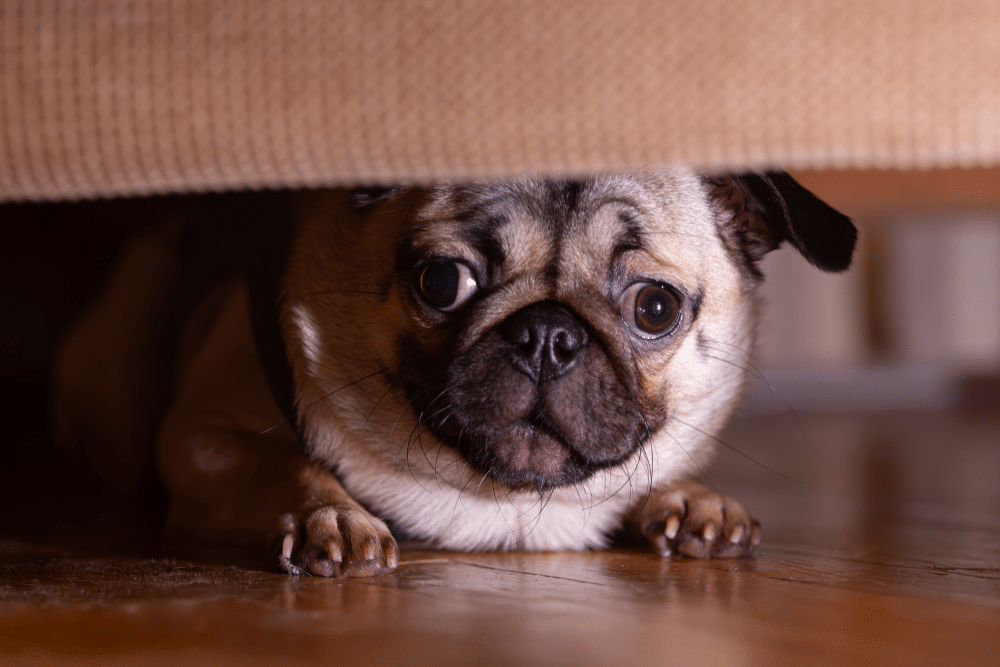
Not every frightened dog reacts in the same way. Some show obvious signs of panic, while others become withdrawn or unusually quiet.
Common signs of fear and anxiety include:
- Trembling, shaking or excessive panting
- Restlessness or an inability to settle
- Hiding under furniture, trying to escape
- Excessive barking or whining
- Drooling, repeated lip licking or yawning
- Refusing food or losing interest in usual activities
- Following you around more than usual
- Toileting indoors despite being house trained
Pay attention to changes in your dog’s normal behaviour. A dog that suddenly becomes unusually clingy or stops accepting their favourite treats may be more frightened than they initially appear.
If your dog develops a new fear of noises, particularly later in life, arrange a veterinary check. Pain or an underlying health condition can sometimes contribute to increased noise sensitivity.
10 ways to help your dog cope with fireworks
1. Prepare before fireworks season begins
Preparation is particularly important if your dog has struggled with fireworks in previous years.
Find out when local fireworks displays are taking place and try to plan your routine around them. Remember that private fireworks can happen unexpectedly, particularly around Halloween and New Year’s Eve.
If your dog has previously shown significant distress, speak to your vet before the fireworks season starts.
There may be treatment options that can help, but these often work best when planned in advance rather than once your dog is already panicking.
2. Walk your dog earlier in the day
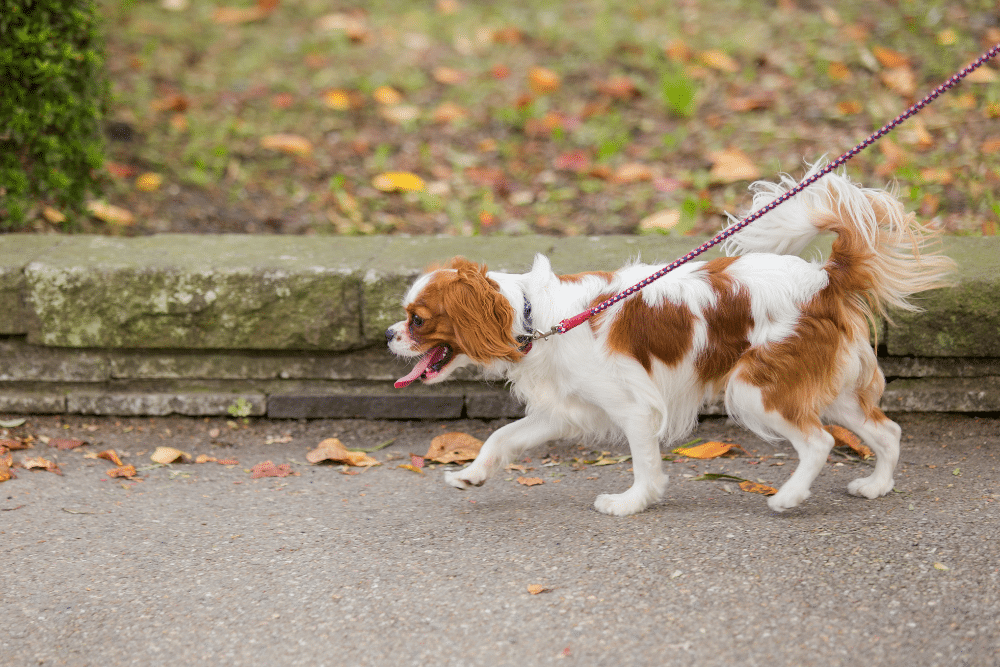
Try to complete your dog’s main walk and toilet breaks during daylight hours, before fireworks are likely to begin.
Choose familiar routes where your dog feels comfortable and avoid areas where fireworks may be set off.
Keep your dog on a secure lead if there is any possibility of fireworks nearby. Even a dog with excellent recall can react unpredictably when startled by a sudden bang.
If your dog needs to go outside later in the evening, wait for a break in the fireworks if possible. Keep the trip brief, stay with them and use a lead.
Never force a frightened dog to go outside during fireworks.
3. Make sure your dog cannot escape
A frightened dog may attempt to run away from the source of the noise, even if they would not normally try to escape.
Before fireworks begin, check that external doors, windows, garden gates and fencing are secure.
Make sure your dog’s microchip registration details are up to date and that they have a properly fitted collar with an identification tag.
Be particularly careful when opening the front door, as a dog experiencing panic may try to bolt unexpectedly.
These precautions are important even if your dog has never attempted to escape before.
4. Create a safe place for your dog to hide
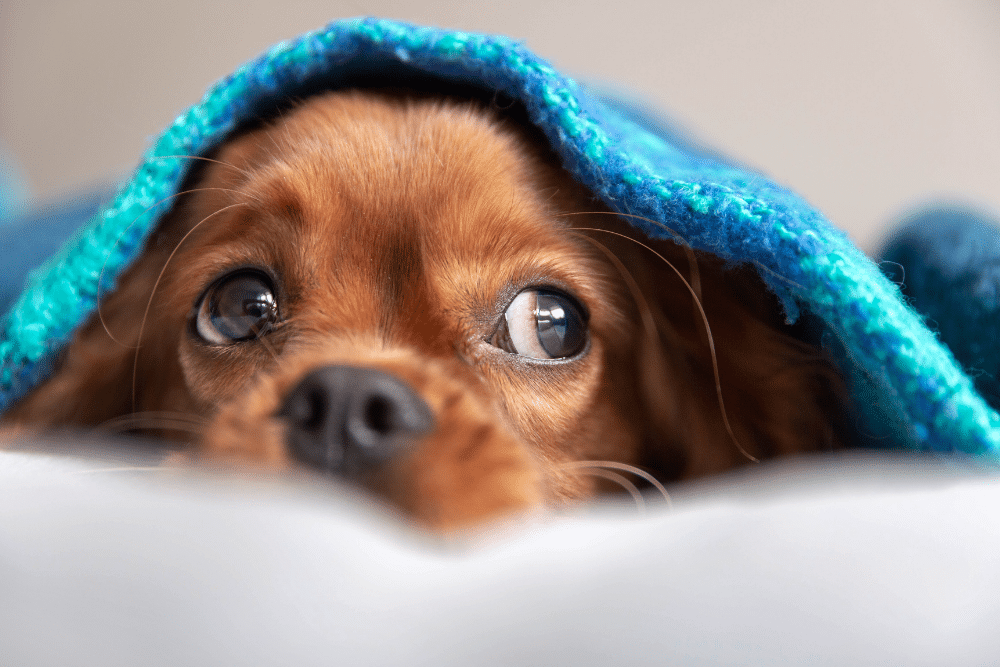
Dogs often seek out enclosed or sheltered spaces when they feel frightened.
Create a comfortable area somewhere in your home where your dog already likes to relax. This might be behind the sofa, under a table or in a quieter room away from windows.
Add familiar bedding and give your dog the freedom to enter and leave whenever they choose.
If your dog already enjoys using a crate, it may provide a suitable place to retreat. However, never shut a frightened dog inside a crate or introduce confinement during fireworks if they are not comfortable with it.
The important thing is choice. Your dog should be able to decide where they feel safest.
If they choose to hide, leave them undisturbed while keeping an eye on their wellbeing.
5. Reduce the noise and flashing lights
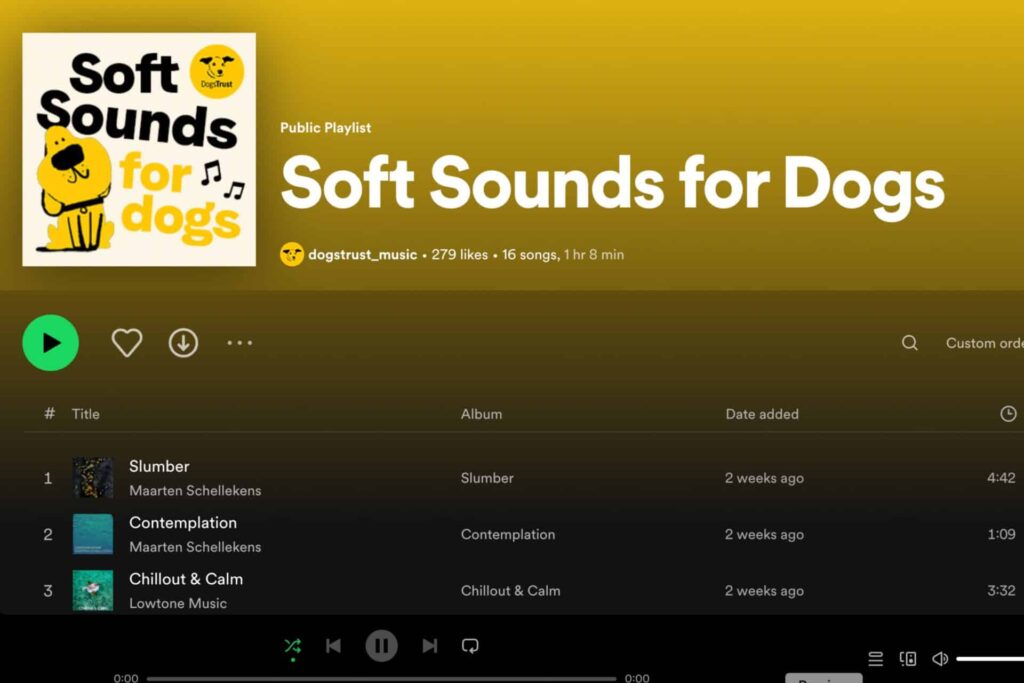
Although you cannot completely block out fireworks, you can reduce some of the sights and sounds reaching your dog.
Close windows, curtains and blinds before the fireworks begin. Keeping indoor lights switched on may also make outside flashes less noticeable.
Playing familiar background music, the television or gentle white noise may help mask some of the sudden bangs.
Keep the volume comfortable. Playing music excessively loudly is unlikely to help and may create additional stress.
You can also explore the Dogs Trust Sound Blanket, which has been developed to help mask fireworks noise.
Remember that sound masking is only one part of supporting an anxious dog. It may not be enough for dogs experiencing severe fear.
6. Avoid leaving your dog alone during fireworks
If you know your dog becomes frightened by fireworks, try to arrange for someone they know and trust to stay with them.
Being alone during a frightening experience can make it harder for some dogs to cope.
If possible, stay at home during the busiest fireworks evenings and maintain your normal household routine.
You do not need to constantly entertain your dog. Simply being present and allowing them to settle near you may be reassuring.
7. Comfort your dog if they seek reassurance
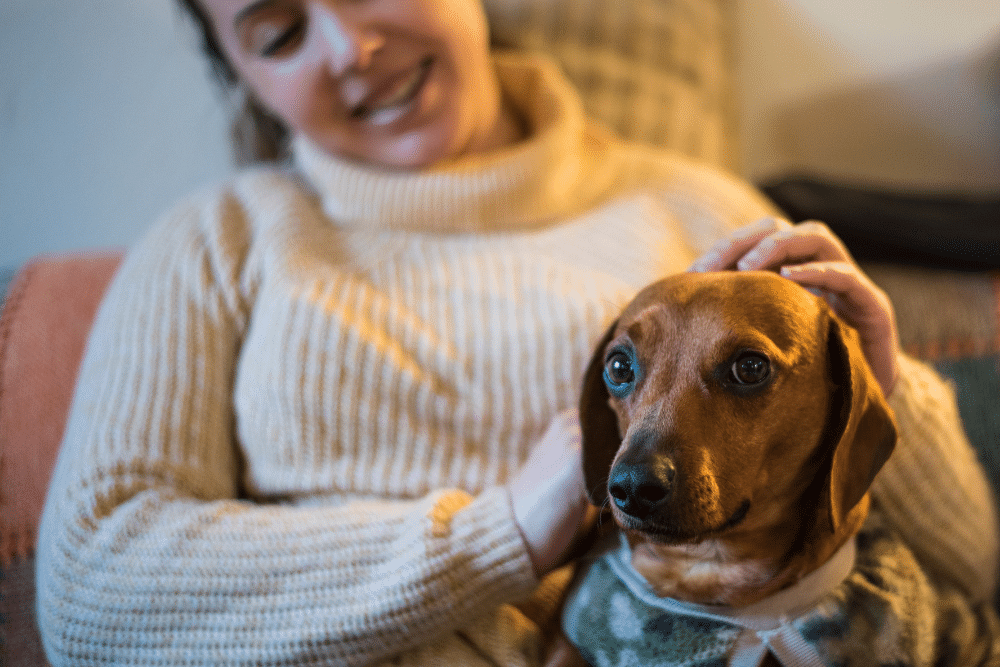
Some dog owners worry that comforting a frightened dog will encourage them to become more fearful.
There is no need to ignore your dog when they are scared.
If your dog approaches you for reassurance, it is absolutely fine to stroke them and let them sit beside you.
Comforting a frightened dog does not mean you are rewarding their fear.
Equally, if your dog would rather hide somewhere alone, respect that choice.
Try to remain calm and predictable in your own behaviour. Avoid forcing physical contact or repeatedly disturbing your dog to check on them.
Let your dog’s behaviour guide how much interaction they need.
8. Offer familiar activities, but do not force distraction
Some dogs respond well to activities that give them something else to focus on while fireworks are taking place.
You could offer a familiar food puzzle, a stuffed Kong, a lick mat or a favourite chew.
Simple scent games or gentle play may also help dogs that are still relaxed enough to engage.
However, a severely frightened dog may be unable or unwilling to eat or play.
If your dog refuses a favourite treat or walks away from an activity, do not persist.
Distraction can be helpful for some dogs, but it should never replace giving a frightened dog the space and support they need.
9. Never punish your dog or force them to face fireworks
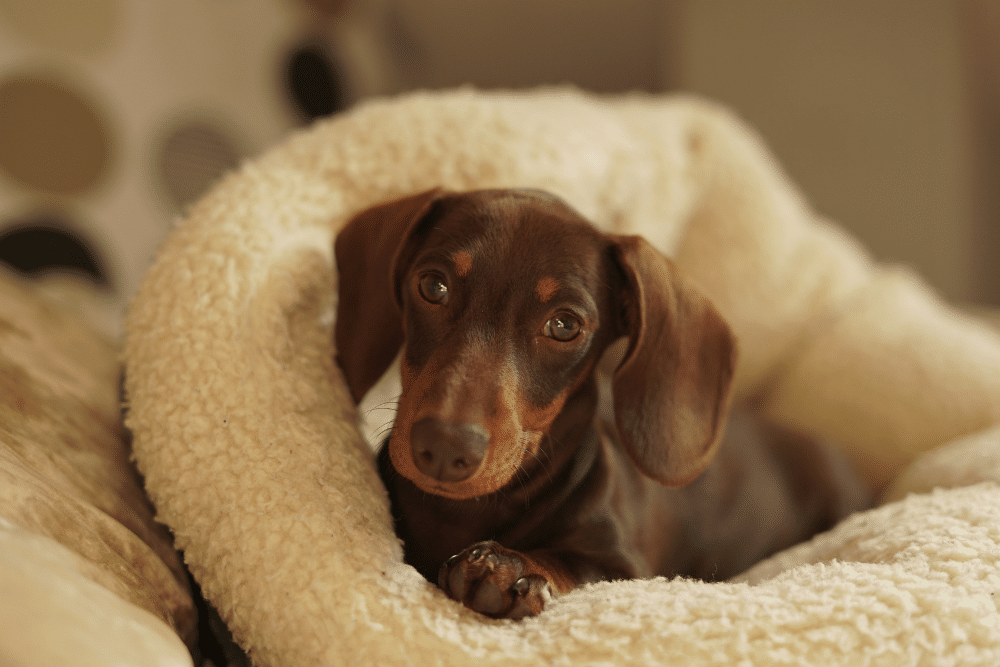
Dogs do not overcome fear by being forced into frightening situations.
Taking your dog outside to watch fireworks, pulling them out of a hiding place or deliberately exposing them to loud bangs can make their anxiety worse.
Never shout at your dog for barking, trembling, hiding or having an accident indoors.
These behaviours may be signs of distress rather than deliberate disobedience.
If your dog is frightened, focus on making their immediate environment feel safer.
Training to improve noise sensitivity should happen gradually, under controlled conditions, rather than through exposure to real fireworks while your dog is already afraid.
10. Speak to your vet if your dog is struggling
If your dog becomes extremely distressed by fireworks, do not assume they simply have to endure it every year.
Dogs experiencing severe noise anxiety may benefit from a veterinary assessment and a personalised treatment plan.
Depending on your dog’s individual needs, your vet may recommend changes to their environment, behavioural support or prescription medication to help manage their anxiety.
Some medicines need to be given before fireworks begin, so arranging an appointment in advance is important.
Your vet may also recommend working with a qualified clinical animal behaviourist.
Early support can help prevent repeated frightening experiences and may improve your dog’s ability to cope in the future.
Do calming products actually work for dogs?
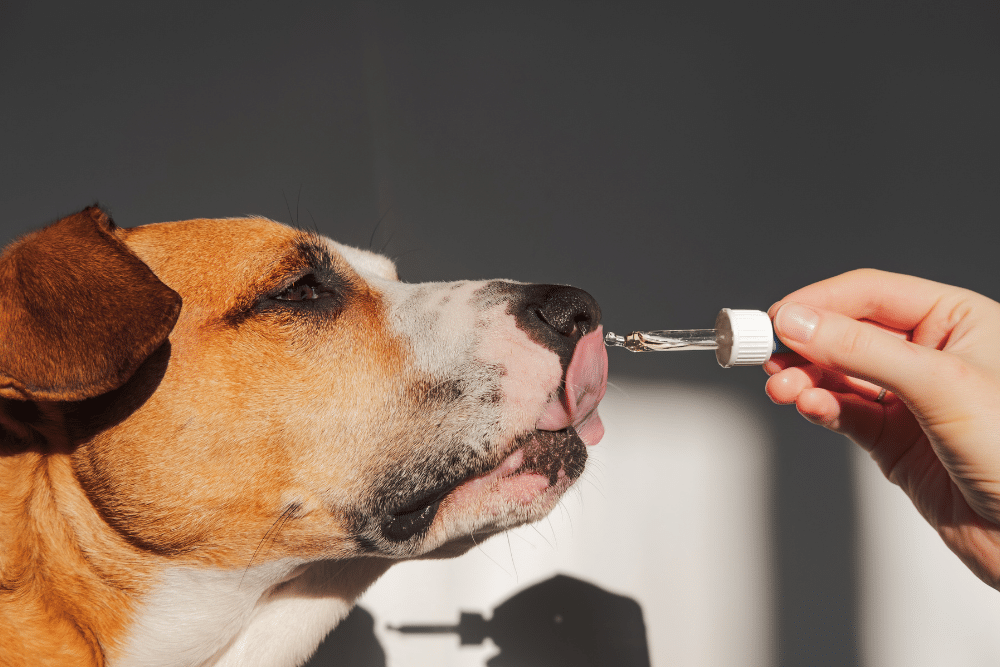
Every year I see calming products widely advertised during firework season, but their effectiveness varies.
Dog appeasing pheromone diffusers or sprays may provide some benefit for certain dogs. Calming wraps and selected supplements may also be useful as part of a wider management plan.
However, these products should not be treated as a guaranteed solution, particularly for dogs with significant noise anxiety.
Before buying calming supplements, herbal remedies or scented products, speak to your vet about their suitability for your dog.
Never give your dog human anxiety medication, sleeping tablets or any prescription medicine that has not been specifically prescribed for them.
For dogs experiencing severe fear, appropriate veterinary treatment may be much more helpful than relying on products purchased without professional advice.
Can you train a dog to be less frightened of fireworks?
Yes, some dogs can become more comfortable with fireworks sounds through carefully planned behavioural training.
Two commonly used approaches are desensitisation and counterconditioning.
Desensitisation involves introducing frightening sounds at a level that does not cause distress, then increasing exposure very gradually as the dog becomes comfortable.
Counterconditioning involves pairing those sounds with positive experiences to help change the dog’s emotional response.
These approaches require patience and should ideally begin several months before fireworks season.
Do not suddenly play loud fireworks recordings to a dog that is already frightened. Moving too quickly can make noise sensitivity worse.
For dogs with established noise fears, ask your vet for advice about working with a qualified behaviourist.
You can also explore Best Bark’s verified dog training and behaviour services to find local professionals.
When should you contact your vet about fireworks anxiety?
Arrange a veterinary appointment if your dog:
- Shows intense fear or persistent trembling
- Repeatedly tries to escape or risks injuring themselves
- Cannot settle for a prolonged period after fireworks stop
- Becomes increasingly frightened during each fireworks season
- Develops a sudden or unexplained fear of loud noises
If your dog injures themselves, collapses, has difficulty breathing or experiences another medical emergency, contact an emergency vet immediately.
Dogs with severe noise anxiety may need more support than home management alone can provide.
Helping your dog feel safer this fireworks season
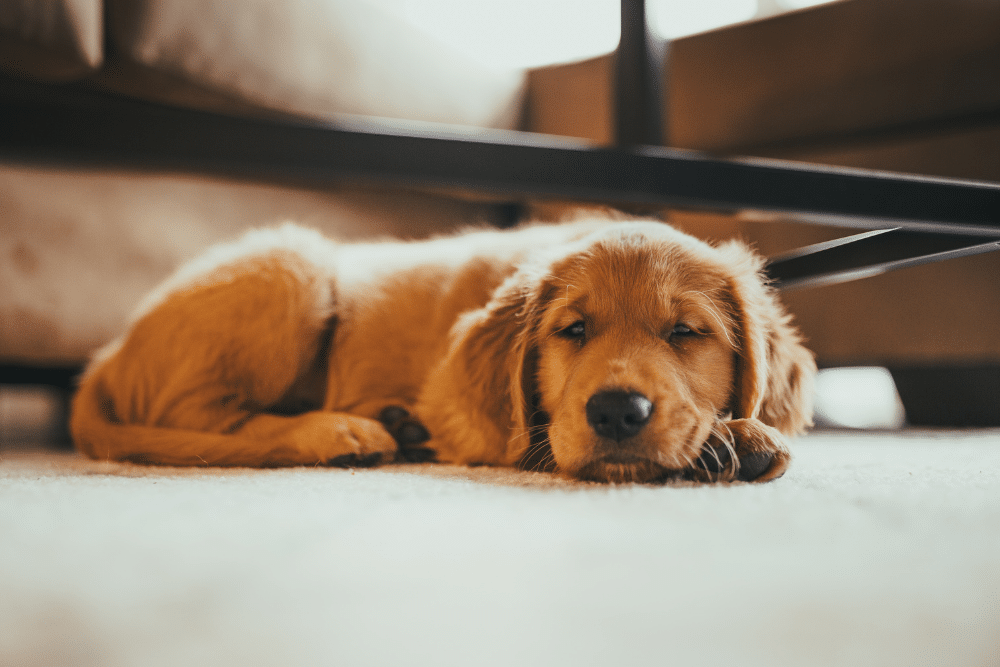
Every dog responds differently to fireworks. Some may settle with familiar company and a comfortable place to hide, while others need additional veterinary support.
The most useful approach is to recognise your dog’s individual signs of distress, prepare ahead and avoid situations that could increase their fear.
If your dog has struggled in previous years, speak to your vet before the next fireworks season rather than waiting until the noise begins.
With the right support, many dogs can be helped to cope more comfortably.
About the veterinary expert
Dr Niall Thompson, MVB CertAVP(GSAS) PGCertVPS MRCVS
Dr Niall is a veterinary surgeon at Ashwood Vets, a locally owned, independent veterinary practice which has clinics in Dundonald and Saintfield, Northern Ireland. Ashwood Vets was named Best Vet Practice in Northern Ireland in the BestUKVet Awards 2026, and named Best Vet Practice in NI 2026 at the National Pet Awards.
Dr Niall graduated in Veterinary Medicine from University College Dublin in 2014 and holds an RCVS Certificate in Advanced Veterinary Practice in General Small Animal Surgery.
As Best Bark’s Resident Vet and Dog Safety Expert, Dr Niall supports our commitment to providing responsible, reliable dog health and safety information.
This article provides general guidance and does not replace veterinary advice tailored to your dog.
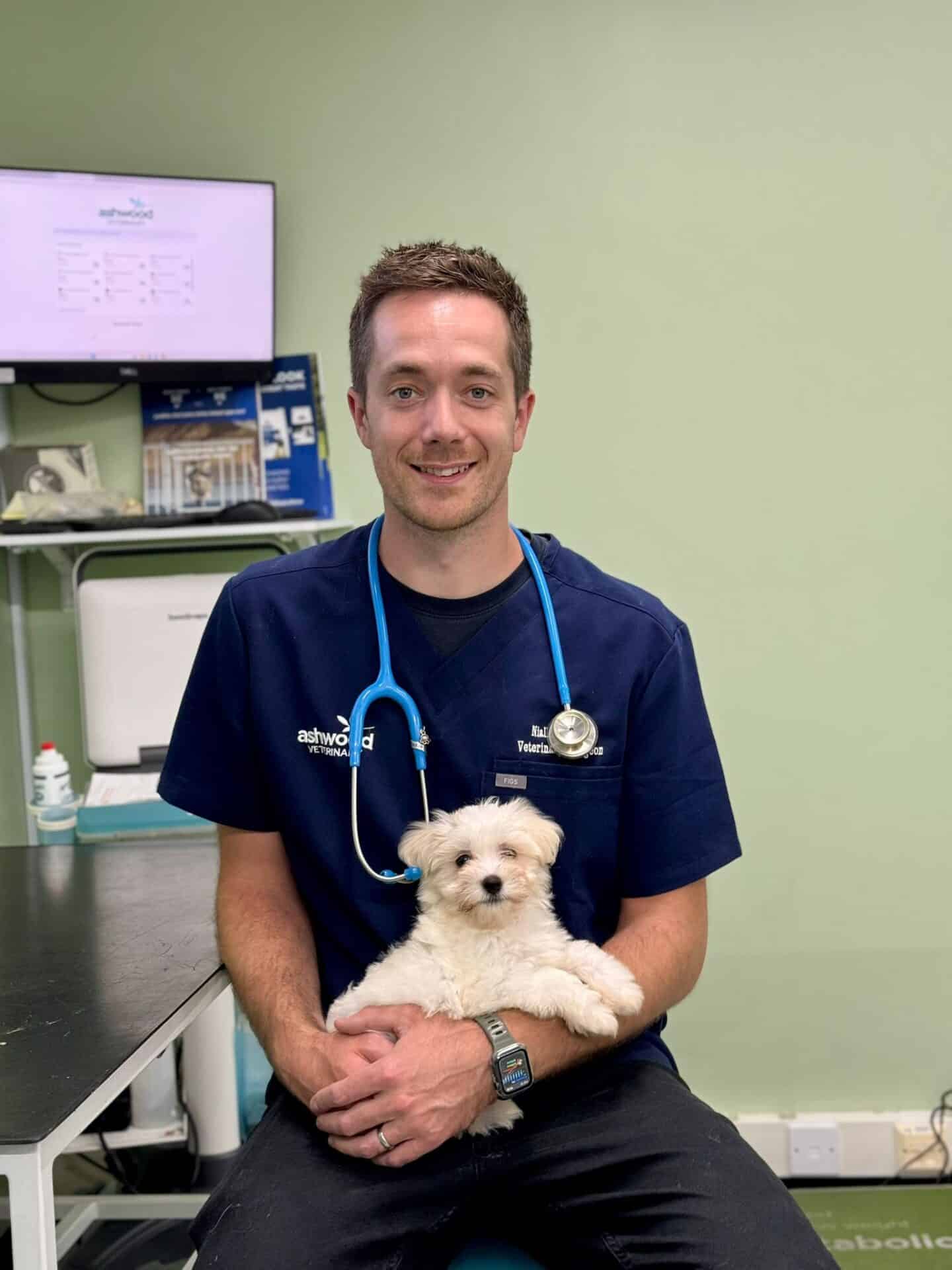
About the veterinary expert
Dr Niall Thompson, MVB CertAVP(GSAS) PGCertVPS MRCVS
Dr Niall is a veterinary surgeon at Ashwood Vets, which has practices in Dundonald and Saintfield, Northern Ireland.
He graduated in Veterinary Medicine from University College Dublin in 2014 and holds an RCVS Certificate in Advanced Veterinary Practice in General Small Animal Surgery.
As Best Bark’s Resident Vet and Dog Safety Expert, Dr Niall supports our commitment to providing responsible, reliable dog health and safety information.
Credentials: MVB CertAVP(GSAS) PGCertVPS MRCVS