


Dog friendly cafes are one of life’s small joys. Whether you are heading to your favourite dog friendly cafe Belfast has to offer or a quiet spot in the countryside, there is nothing like a flat white with your dog at your feet.But the truth is, not every dog actually enjoys going to cafés. And forcing the issue can turn what should be a relaxed outing into a stressful experience for dogs, owners, and everyone around them.
We asked our dog trainer and behaviourist, Jess from Future Animal Behaviour to share what dog owners should really know before bringing their dog along for coffee.
First things first. Is your dog having as nice a time as you?
Just because a dog is allowed somewhere does not mean they should be there.
Lots of dogs love going to cafes. They thrive on being close to you and watching the world go by. Others however can find this situation really overwhelming. Noises, smells, tight spaces, strangers reaching out, other dogs under tables. It is a lot to process. And then of course there are the dogs who don’t mind being there but it’s really hard for them to sit quietly and not do zoomies around the cafe gathering four legged pals as they go!
Jess insight:
If you are feeling stressed or frustrated by your dog’s behaviour in a cafe the chances are your dog may be feeling something similar. Remember your dog is an individual with an individual temperament, experiences and capabilities. Think about what is best for your dog. Some dogs might do better during off peak times, others can cope with an espresso (for their human!) and go, rather than a latte and breakfast! And some might prefer take away.
Signs your dog may not be café ready yet
Many of us don’t realise our dogs are feeling stressed or overwhelmed until we see very obvious signals like barking, lunging or trembling. In reality, our dogs often try to whisper to us that they are feeling unsure. These whispers might look like:
- Lip licking
- yawning
- showing the white of their eyes
- scratching
- tense facial expression and ears
- panting
- looking away or moving away
- refusing treats
- scanning the room
- hiding
These behaviours are easy to miss if you are chatting or on your phone. If your dog shows signs of stress or uncertainty, responding to those signals is key to keeping café visits positive.
Jess insight:
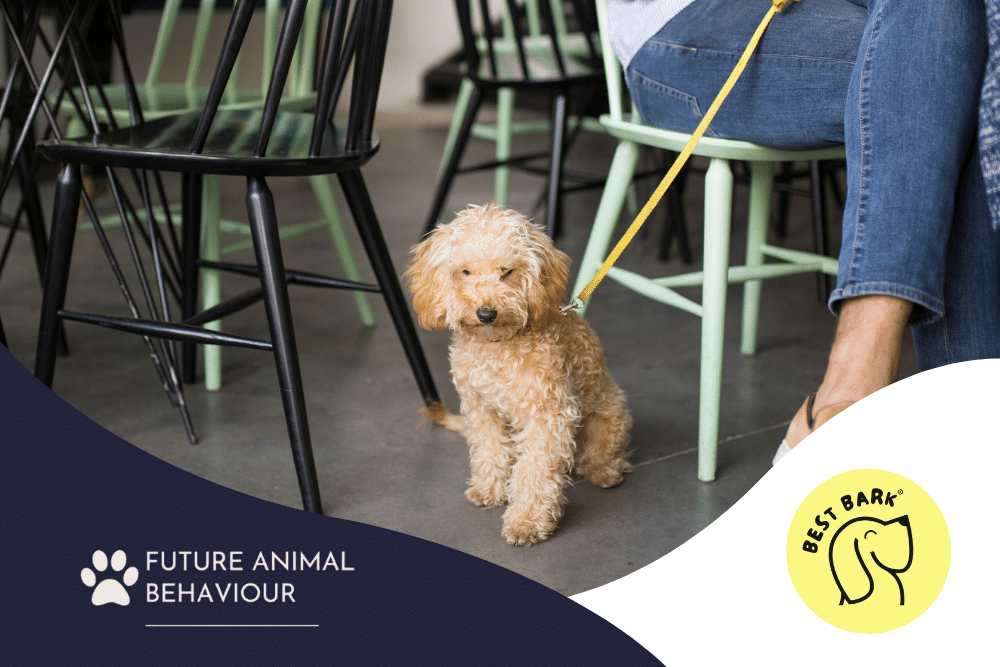
When you go out with your dog, you’re a team, and it matters that you both enjoy the experience. Your dog didn’t choose to go to the café, so paying attention to how they’re feeling is essential. What tells you that your dog is enjoying being in the cafe? Resting quietly, relaxed body and face, no panting, no straining on the lead.
Build the foundations before you try cafés
A café calm dog is not trained in a café. It starts much earlier.
Before attempting coffee stops, your dog should be comfortable with:
- Walking on a loose lead
- Settling calmly beside you
- Ignoring food and people unless invited
- Remaining relaxed around everyday noise
- Teaching a simple settle behaviour at home or in quiet outdoor spaces is key.
Jess Insight:
Setting your dog up for success is key! So practice rewarding calm behaviour at home first. Sit at your kitchen table, with your dog on lead, on a small blanket or mat beside you. Reward them for calm behaviour here while you have a cuppa. Remember puppies or young dogs may only be able to sit calmly for a minute or two to start with. Be mindful of older dogs too, that they have a comfortable place to lie.
Start smaller than you think
Your first café visit does not need to be a full brunch.
Start with:
- Quiet times of day
- Outdoor seating with space
- Five to ten minutes only
- Leaving before your dog becomes overwhelmed
- Leaving early is not a failure. It is good training.
Jess insight:
Once your dog is comfortable with the routine at home (lead on,sit on mat beside human, relax whilst human drinks coffee!). It’s time to increase the distractions – gradually! So short visits to a quiet cafe is perfect when your dog is just learning or you are unsure how they will react. Always be prepared to leave early. If cafe trips are something you want to enjoy with your dog, leaving before your dog becomes unsettled is a must. You can very gradually increase the time as they get more accustomed to the environment and routine.
What makes a dog friendly cafe Belfast owners (and their pups) love?
From a behaviour point of view, some environments are far easier for dogs than others.
Dog friendly spaces that work well usually have:
- Enough space between tables
- Calm staff who do not crowd dogs
- No pressure for dogs to interact
- A relaxed atmosphere rather than constant foot traffic
- The environment matters just as much as the dog.
Jess insight:
When looking for a dog friendly cafe Belfast dogs will feel comfortable in, remember that some environments are better than others. Space is probably the most important thing so your dog can rest where they feel safe. It can be useful to teach your dog to lie under the table, so their tails are tucked away from passers by. It is also helpful if staff take your lead on what your dog needs. e.g. ignoring your dog so they stay calm. Clean and dry floors are also helpful when choosing a cafe. Often, however, it is about what the best cafe set up for your individual dog is.
When it is kinder not to push it
There are times when café visits should wait or be skipped altogether.
This includes:
- Mentally sensitive puppies or older dogs.
- Rescue dogs who are still adjusting to life in their new homes.
- Dogs who show consistent signs of stress despite training
- Dogs who simply prefer walks and quiet spaces
- Dogs who don’t like to be in close proximity to unfamiliar dogs or people.
Remember your dog may be happier to be left at home.
Jess insight:
Not every dog is suited to the hustle and bustle of cafe life. For some it is preferable for their wellbeing not to go to cafes- fullstop. For others their stage of development, training and health may make it a kinder option to leave them at home for now. Your dog is a living breathing individual so being thoughtful about their needs and preferences is key to happy cafe visits.
Jess closing note:
We all have ideas for what we hope life with our dog will look like. Remember your dog doesn’t have the same ideas! They live in the moment. They understand what feels good, or not good, right now and they communicate this through their behaviour. Being thoughtful about what your dog is telling you and choosing what’s best for them is the most dog-friendly thing you can do.
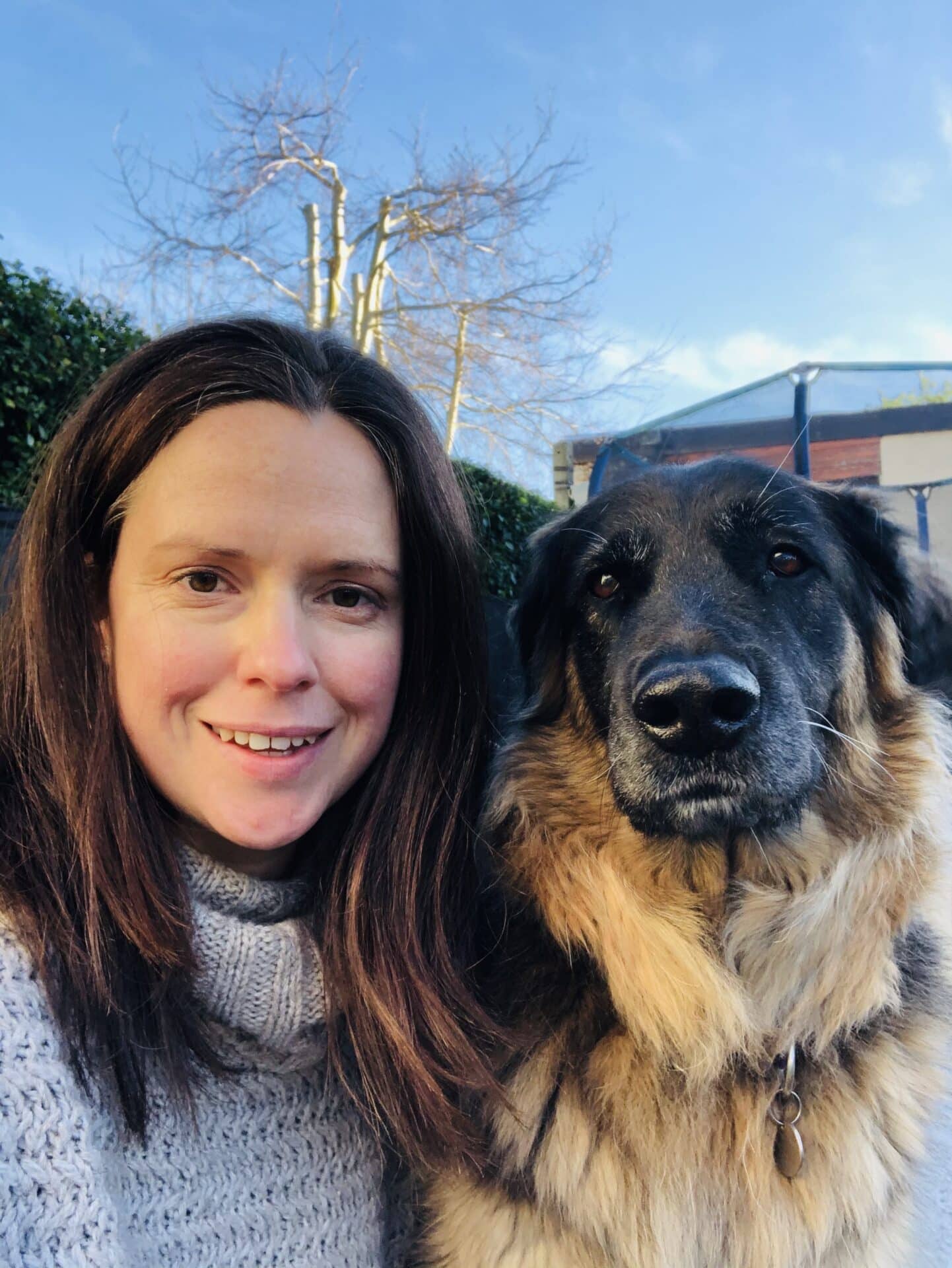
Jess has spent 15 years working for Guide Dogs, training the dogs and their owners. She also supported and coached the training staff to develop their positive reinforcement based techniques. Jess is passionate about doing the best she can for her clients by ensuring her knowledge is based in current scientific research and industry best practice. In addition to engaging with regular professional development, she completed an MSc with distinction in Clinical Animal Behaviour in 2021. Jess uses a comprehensive and ethical approach to changing your dog’s behaviour. She understands that you and your dog are unique individuals and believes in the importance of the relationship you have with each other.